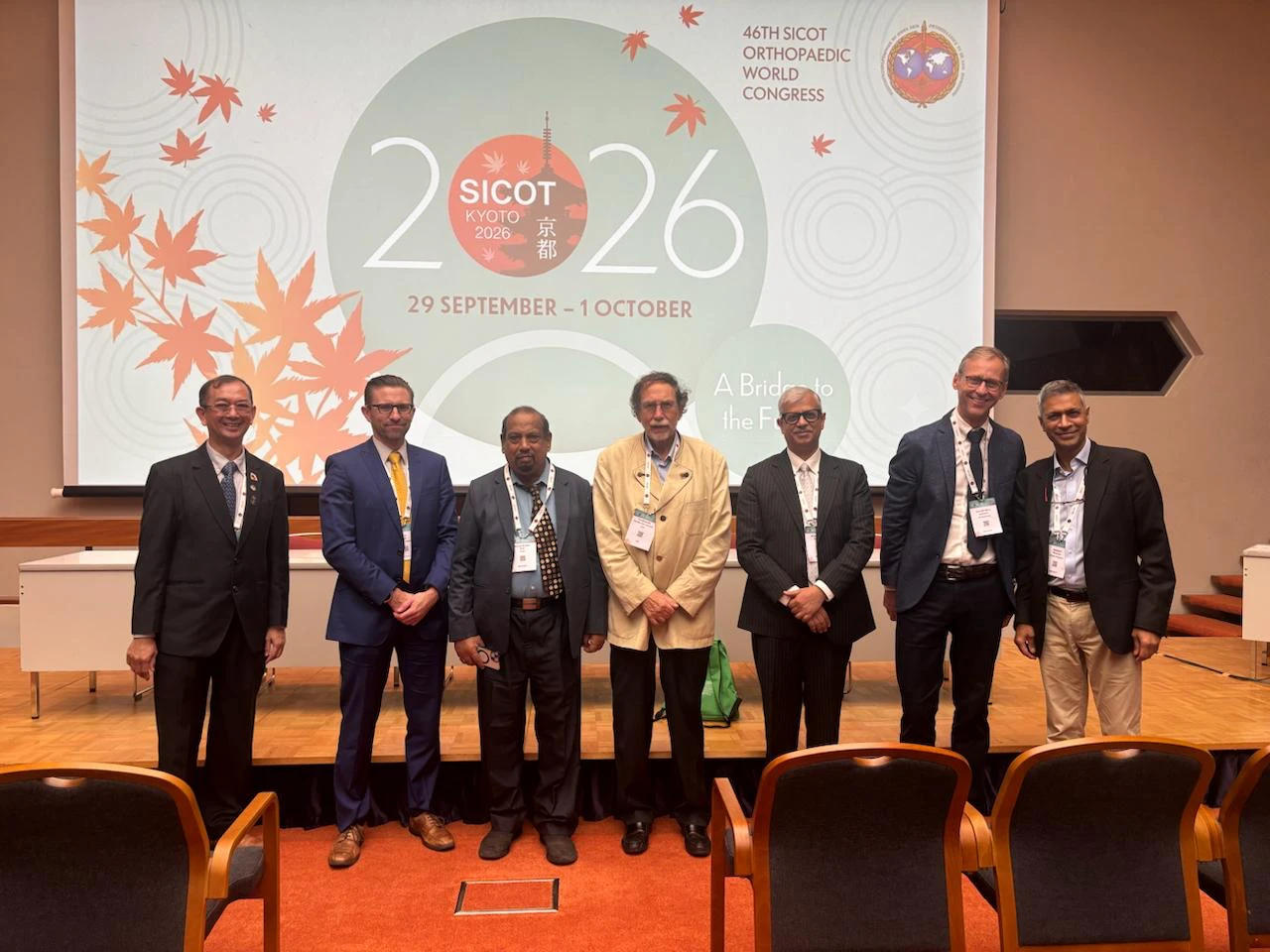
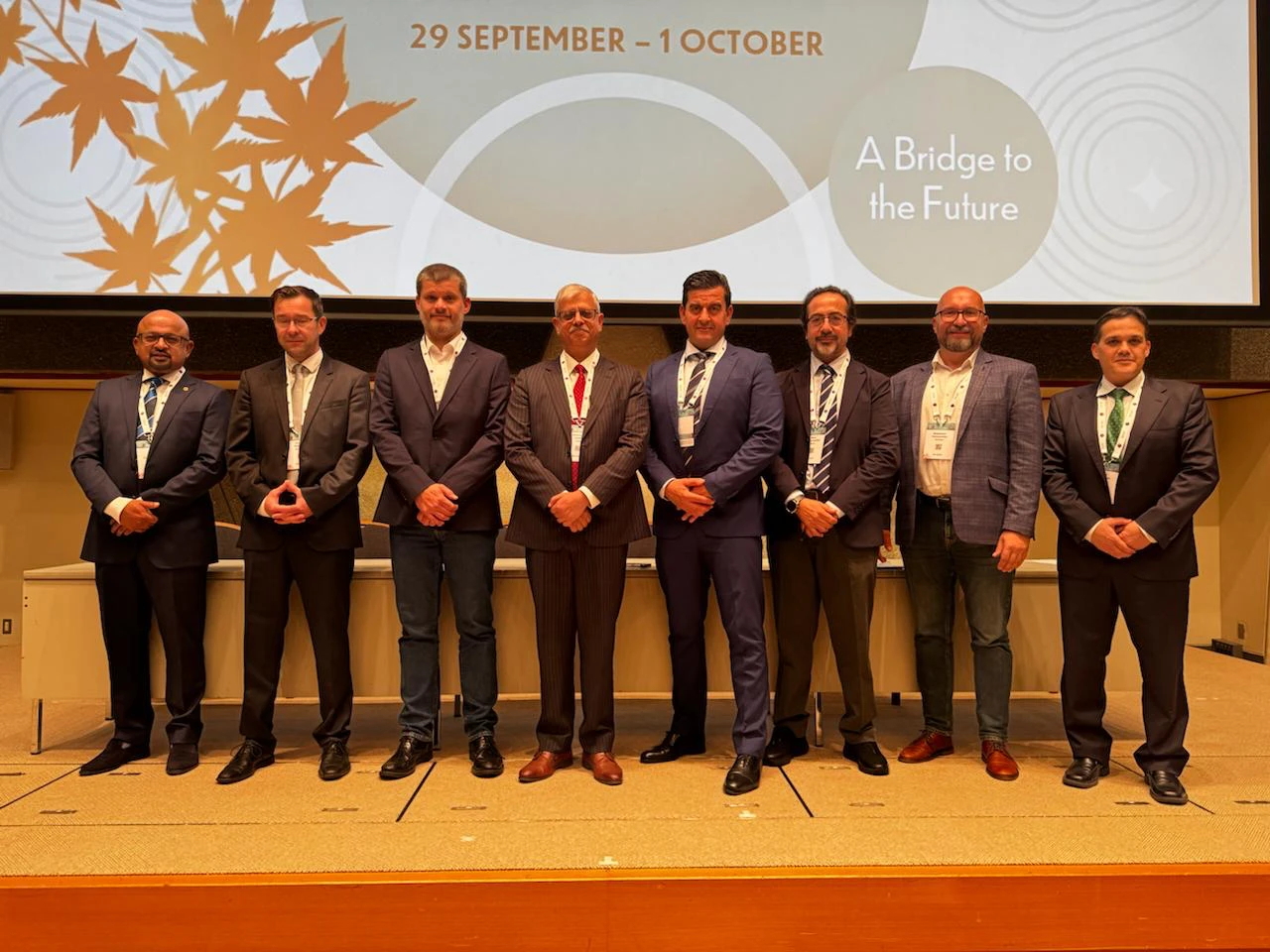
SICOT 2026, the 46th SICOT Orthopaedic World Congress, was held in Kyoto, Japan from 29 September to 1 October 2026 under the theme "A Bridge to the Future". Dr. Dhananjay Gupta took part in three academic sessions on Infection in Orthopaedics — a field covering bone infections, fracture-related infections and infections around joint replacements (periprosthetic joint infection).
About SICOT 2026
SICOT (Société Internationale de Chirurgie Orthopédique et de Traumatologie) is an international society of orthopaedic surgeons. Its 46th Orthopaedic World Congress took place at the Kyoto International Conference Center, Japan, from 29 September to 1 October 2026, with a pre-congress day on 28 September.
The congress theme, "A Bridge to the Future", focused on connecting established surgical practice with newer tools — artificial intelligence, robotics and advanced implant technologies, including those designed to address implant wear and infection. The programme included subspecialty symposia and hands-on workshops on musculoskeletal infection, periprosthetic joint infection and reconstruction strategies.
Dr. Dhananjay Gupta took part in three academic sessions on Infection in Orthopaedics alongside orthopaedic surgeons from several countries.
Why infection is an important topic in orthopaedics
Infection is uncommon after orthopaedic surgery, but when it happens it is one of the more serious complications. It can affect bone (osteomyelitis), a healing fracture (fracture-related infection) or the tissues around an artificial joint (periprosthetic joint infection, or PJI).
Infections around implants are difficult to treat because bacteria can form a biofilm — a protective layer on the implant surface that antibiotics alone often cannot clear. This is why prevention, early diagnosis and a planned, team-based approach matter so much.
How infection risk is reduced
Prevention starts before surgery: controlling blood sugar in people with diabetes, stopping smoking, treating any existing skin, dental or urinary infection, and optimising nutrition and general health.
In the operating theatre, measures include skin preparation, antibiotics given at the right time before the incision, strict sterile technique, clean-air theatres and careful handling of tissues. After surgery, proper wound care and follow-up help pick up any problem early.
Warning signs patients should not ignore
After joint replacement or fracture surgery, contact your surgeon promptly if you notice increasing pain after an initial improvement, redness, warmth or swelling around the wound, discharge from the wound, fever or chills, or a joint that becomes stiff and painful months or years after a good recovery.
Early assessment matters: some infections caught in the first few weeks can be treated while keeping the implant in place, whereas long-standing infections usually need more extensive surgery.
How periprosthetic joint infection is diagnosed and treated
Diagnosis combines clinical examination, blood tests (such as CRP and ESR), aspiration of joint fluid for laboratory analysis and culture, and imaging. Internationally agreed criteria help surgeons decide whether an infection is present.
Treatment depends on how long the infection has been present, the organism involved, the condition of the implant and soft tissues, and the patient's overall health. Options include debridement with implant retention (cleaning the joint and exchanging removable parts), one-stage revision (removing and replacing the implant in a single operation) and two-stage revision (removing the implant, treating the infection, then implanting a new joint later). These decisions are usually made together with infectious-disease specialists and microbiologists.
Looking ahead
International meetings such as SICOT allow surgeons to compare protocols, review new evidence and discuss difficult cases. Areas of active research include better diagnostic tests, antibiotic-loaded and coated implants, and more precise surgical planning to reduce complications.